The next time someone tells you we don’t get much snow in southern Delaware, you might want to remind them of this past winter. It’s been a doozie. And when the snow really starts coming down, being prepared makes all the difference.
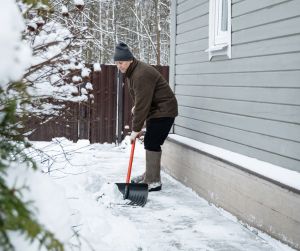
A great place to start is the American Red Cross, which has an excellent Winter Storm Safety guide covering what to do before and during a major storm. Their recommendations include stocking at least three gallons of water per person and keeping a minimum three-day supply of food on hand.
That’s a solid plan — as long as the power stays on.
During the latest storm, about 60,000 members of Delaware Electric Cooperative lost power. Some homes were back up and running within hours. Others waited days. When the lights go out, everyday routines suddenly feel like major challenges.
Take coffee, for example. Morning coffee drinkers may have felt a wave of panic without a working coffee maker. Heating water to pour over grounds sounds simple enough — until you realize your stove won’t light because it requires electricity to ignite.
Here’s the good news: if you have a gas stove, the gas line still flows even during a power outage. You can light the burner manually with a long lighter or match and boil water that way. A manual pour-over coffee filter is perfect for these situations. The inexpensive plastic cone fits right over a mug; just add a paper liner, coffee grounds, and hot water. Simple, effective, and no electricity required.
But coffee is just the tip of the iceberg when it comes to blizzard safety.
The American Red Cross recommends organizing supplies into two categories: a Go-Kit and a Stay-at-Home Kit.
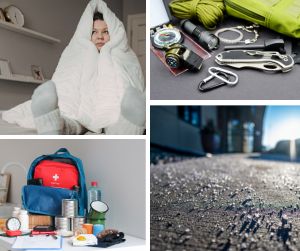
A Go-Kit should include at least three days’ worth of supplies you can easily carry if you need to leave your home. A Stay-at-Home Kit should contain at least two weeks of essentials, including extra batteries and battery packs.
Cell phones can truly be a lifeline during a storm, especially for seniors who may be isolated at home. Portable battery packs can recharge not only smartphones but also tablets and even laptops. Keeping devices charged helps you stay connected with family, friends, and emergency services. Your car can also serve as a temporary charging station — and a place to warm up periodically if it’s safe to do so.
Camping stoves are another useful backup when the power goes out. Many models operate on propane and come with one to three burners. However, safety is critical. Rehoboth resident and experienced camper Dee Marlin strongly cautions against using a camping stove indoors because of carbon monoxide buildup. Using one on a screened porch with proper ventilation may be fine, but never use it inside an enclosed space.
Other smart items to have on hand during a major snow event include candles, flashlights, extra batteries, a first aid kit, a battery-powered radio, prescription medications, and pet supplies. It’s also wise to set up a “buddy system” so friends, neighbors, or family members can check in on one another.
When indoor temperatures drop, dressing in layers helps retain body heat. Long underwear, insulated socks, fleece layers, and outerwear similar to what skiers wear can make a big difference. Keeping these items in your winter wardrobe ensures you’re ready when you need them.
And then there’s snow removal. Shoveling heavy, wet snow can be especially challenging — and even dangerous — for seniors. If you live in a planned community or HOA neighborhood, there’s often a list of recommended vendors who plow driveways and walkways. The key is to contact them early when a storm is forecasted. Waiting too long could land you on a lengthy waiting list. Vendors typically wait until roads are clear before plowing, since early clearing can result in snow being pushed right back into your driveway.
The bottom line? Southern Delaware may not see blizzards every week, but when we do, they’re serious. A little preparation goes a long way toward staying safe, warm, and maybe even well-caffeinated until the snow melts.
By Mary Jo Tarallo, Resident Journalist

Mary Jo Tarallo spent much of her career in public relations with various non-profits and spent 40 years involved with the ski industry as a journalist, public relations director for a national trade association and as executive director of the Learn to Ski and Snowboard initiative. Prior to her ski industry involvement she worked for the Maryland International Center in Baltimore and United Way of Central Maryland. She won a Gold Award for TV programming for a United Way simulcast that starred Oprah Winfrey. She has been cited for her work by numerous organizations. Mary Jo grew up in Baltimore, attended the University of Maryland and Towson University, lived in Washington, DC for 21 years and has been a full time resident of Rehoboth Beach and Milton since May 2019.

 Skip to content