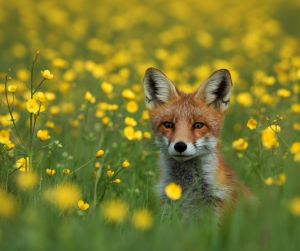
Reports abound in my neighborhood that there are threatening foxes in our midst.
What has bothered me is there is a misunderstanding. Who is bothering whom? Why should we be afraid of wildlife that was here long before HOAs?
I can attest. I walked, pre-dawn yesterday. Dark and windy. Oversized Yellow Lab dragging me to her favorite spot. We came face first with a rabbit, and remarkably, my 90 pounder cowered. She did her business and we meandered towards home. Only to come face front with a fox, quite red like they are described in imaginative children’s books.
We all froze for a bit, but it wasn’t confrontational at all. It was as if we each respected each other’s turf.
Later that day, I encountered another fox during an otherwise standard walk, I think it was a female, because it appeared she was actively nursing. So where are her young?
The fox won our staring contest. She or he bolted right in front of me into a sort of gulch, much like the terrain that surrounds our property. All I cared about was that she got back to her babies. And that my giant Lab didn’t pursue. She didn’t, and remarkably, it seemed like she has more respect for wildlife than she does for the domesticated dogs we meet every day on the trail.
It wasn’t the prettiest wild animal scene we all dream of photographing, but the encounter was beautiful. The privilege to experience moments like that freeze you in your tracks. Here is an excerpt from the state of Delaware’s monitoring of the foxes amongst us.

“In Delaware, spring (March–May) is the peak denning season for red foxes, characterized by increased daylight activity as parents hunt to feed newborn kits. Kits emerge from dens—often located under sheds or in brushy areas—around April, becoming more visible. Foxes become bolder, and people should avoid feeding them to prevent habituation, which can lead to human-wildlife conflict.”
That pretty much explains the more aggressive spring behavior of foxes who share the outdoors with us. It is unfortunate that humans impinge their habitat, so the most humane effort we need to follow is to respect their diminishing habitat, and allow them to thrive amongst us, and breed as they always have, without any human interference.
By Bridget Fitzpatrick

 Skip to content