It’s not easy to talk about death. For many of us, even the thought of it makes our hearts beat a little faster. We’ve been taught, often quietly and unconsciously, that it’s something to avoid. Something too sad, too heavy, or too uncomfortable to discuss at the dinner table or with loved ones.
But what if we gently challenged that belief? 💡
What if talking about death was actually an act of love? ♥️

More and more, people are realizing that avoiding these conversations doesn’t make the hard moments disappear. It actually makes them harder when they arrive. According to a 2022 study by The Conversation Project, while 92% of people say that talking with loved ones about end-of-life care is important, only 32% have actually done it. The gap between intention and action is wide, but it doesn’t have to be.
Starting these conversations doesn’t mean giving up hope or becoming morbid. It means giving ourselves, and those we love, a chance to be prepared, supported, and connected in the moments that matter most.
It means creating Clarity instead of Confusion; Peace instead of Panic.
When we open up space to talk about death, softly, kindly, in our own time and in our own way, it becomes less frightening, less mysterious. It becomes part of what it really is: a natural part of life. And in doing so, we give ourselves permission to confront our fears, express our wishes, and, maybe most importantly, live with greater intention and connection.
For families, these conversations can be a gift. Knowing what a loved one wants, or how they hope to be remembered, brings comfort during times of loss. It can reduce emotional and financial strain, prevent second-guessing, and give survivors a sense of confidence and calm when they need it most. It can also open beautiful doors, to storytelling, to sharing traditions, to passing down values and memories that might otherwise be lost.
And it’s not all or nothing. Sometimes, the best way to begin is simply by reflecting on your own hopes or values. Think about what matters most to you, not just in the final chapter of life, but in all the chapters leading up to it. That reflection can become a powerful invitation to start a conversation, not just about death, but about meaning, memory, and legacy.
You don’t need to have all the answers. You don’t even need to know the questions. Just a willingness to talk, to listen, and to show up with compassion.
Because at the end of the day, these conversations aren’t really about dying.
They’re about how we want to live. Today.
*The content of this blog post is provided for general informational and educational purposes only and does not constitute legal, financial, or professional advice. While the author draws upon professional experience in project management and estate planning, readers should consult with qualified professionals regarding their specific circumstances before making any decisions related to end-of-life planning or document storage. References to DocuGuardian are illustrative of the author’s entrepreneurial venture and should not be interpreted as an endorsement or guarantee of suitability for all users. The views expressed are those of the author and do not necessarily reflect those of any affiliated organizations. Use of any information contained herein is at the reader’s own discretion and risk.
By Lori and David Selsberg, DocuGuardian Owners/Operators
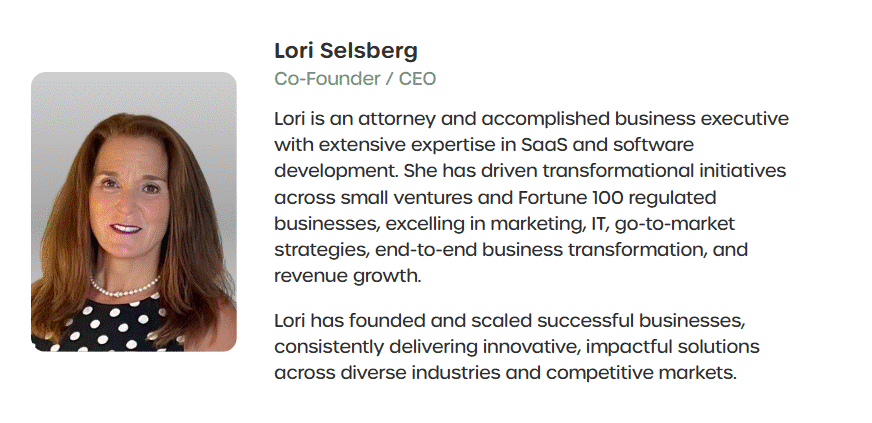
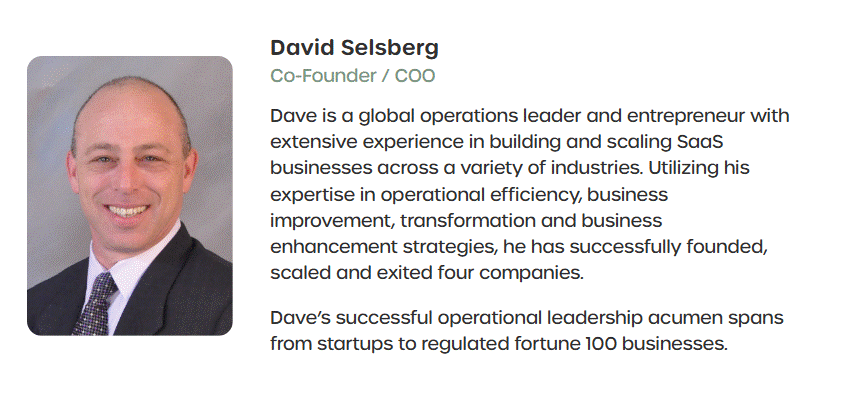
At DocuGuardian, our mission is to change how families approach end-of-life planning by empowering them to prepare with thoughtfulness and care.
By easing the burden of searching for vital information during times of loss, DocuGuardian allows families to focus on what truly matters: grieving, healing, and celebrating the lives of their loved ones. We are committed to creating a future where no family faces the stress of uncertainty and every legacy is treated with dignity and respect.
DocuGuardian is designed for simplicity, making it easy for people of all tech levels to navigate. The platform features a clean, user-friendly interface with clear instructions, and a straightforward dashboard that ensures they can securely store and access documents with confidence. No tech expertise required!
 Skip to content