One recent April day, the temperature spiked to short-sleeve weather, and the flower and shrub department at Lowe’s was packed with customers eager to put out their first seasonal plantings. Then the temperatures plunged again. That first balmy spring day is such a temptation — but often a trap for planting too early.
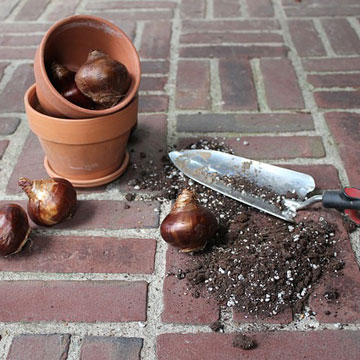
The general rule of thumb is to wait until after the last frost of the season. Frosts may pass, but planting too early, when temperatures are still too cool, can cause stunted growth, wilting, surface pitting, foliage necrosis, increased disease, and poor root development.
According to a website called Aubrey’s Little Farm, warm-season crops need soil temperatures ideally around 70°F or warmer. The plants also need daytime temperatures consistently in the 70s and above, with nighttime temperatures consistently in the 50s and above.
Timing is one consideration for warm-weather plants. Proper watering is another. Potted plants are above ground, so water evaporates more rapidly. There is only a limited amount of soil available to hold moisture, and that moisture evaporates more quickly than it would in the ground. Consequently, patio containers and potted plants should be watered more frequently than plants in garden beds or landscaped areas of the yard.
There are numerous misconceptions about watering plants in pots versus those in the ground, according to the website SummerWinds. One common mistake is thinking it is unnecessary to water potted plants because it rained. Not so. Rainwater typically penetrates only the top portion of soil in a container, leaving the roots without the water they need.
Potted plants absorb water from the bottom of their containers, where the deepest roots are located. Make sure your plants have established deep roots and that water reaches those roots during watering.
Annapolis resident and frequent Rehoboth Beach visitor Pat Wojnas has some words of advice. She is enrolled in a Master Gardener Program designed to train volunteer horticultural educators to support and educate people about safe, effective, and sustainable horticultural practices that build healthy gardens, landscapes, and communities.
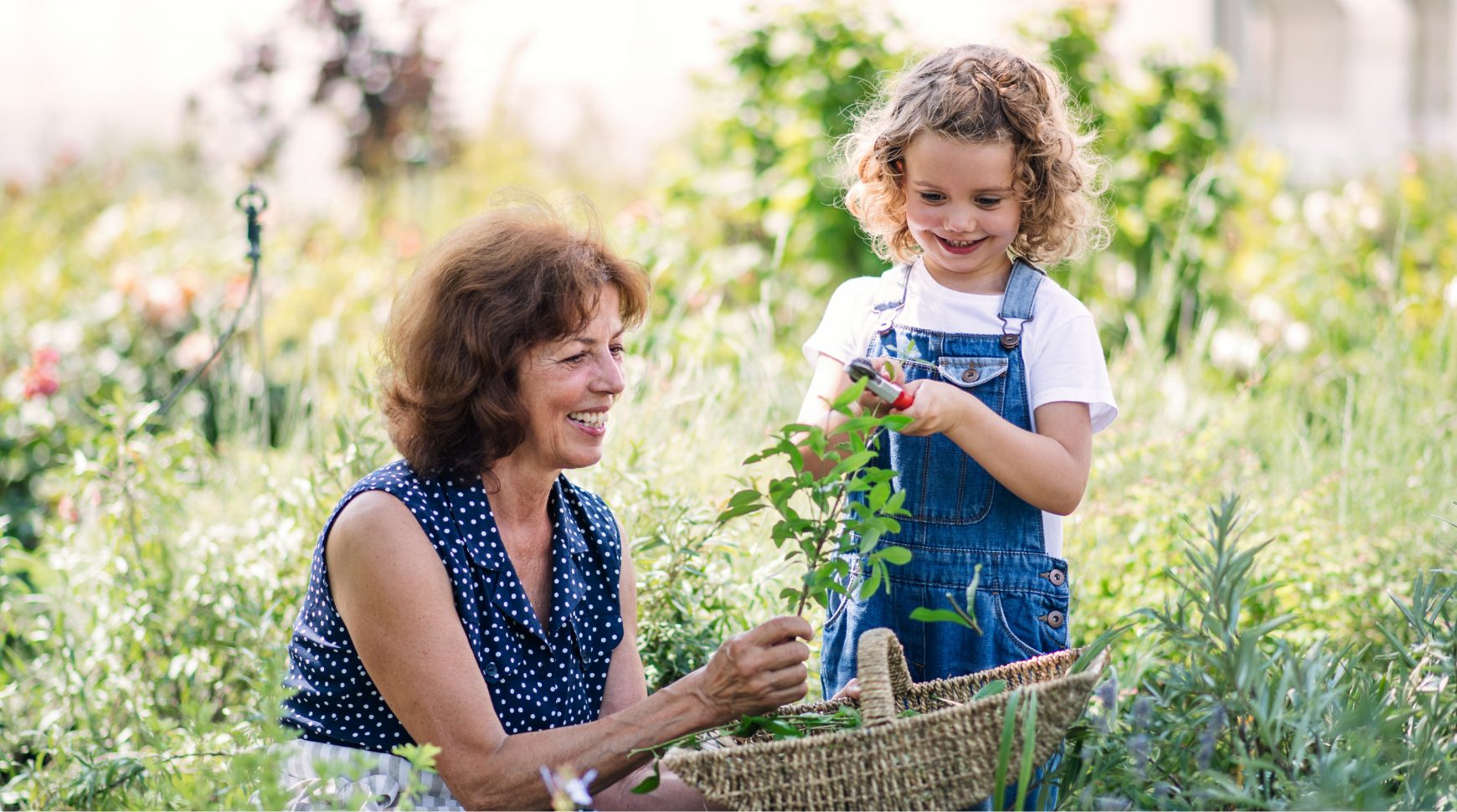
She advises:
- If you are using containers, follow the rule: “Thriller, Filler, Spiller.” First, choose a statement plant (the thriller). Then select smaller plants to complement it (the filler). Finally, choose a few plants that will cascade down the container (the spiller). This combination creates the most visual interest.
- Choose native perennials whenever possible. Garden centers offer all sorts of exotic plants for color, but choosing native plants helps support native bees and birds. Planting perennials also means less time spent replanting every year.
- Think about color. Do you want a garden bed filled with every color, or would you prefer sweeping sections of pink, blue, yellow, or another shade?
- Select plants with different bloom seasons so you always have color in the garden.
- Consider how your garden will look in winter. Many flowering shrubs also produce berries that provide visual interest and food for birds.
- Place fragrant flowers where you will enjoy them most, such as along a walkway or beside a patio.
- Get help if a plant shows signs of distress. Take pictures and bring them to the place where you purchased the plant. If a plant is diseased, don’t let the problem spread to others. Many farmers markets also have volunteer educators from Master Gardener programs who staff plant clinics.
By Mary Jo Tarallo, Resident Journalist
Mary Jo Tarallo spent much of her career in public relations with various non-profits and spent 40 years involved with the ski industry as a journalist, public relations director for a national trade association and as executive director of the Learn to Ski and Snowboard initiative. Prior to her ski industry involvement she worked for the Maryland International Center in Baltimore and United Way of Central Maryland. She won a Gold Award for TV programming for a United Way simulcast that starred Oprah Winfrey. She has been cited for her work by numerous organizations. Mary Jo grew up in Baltimore, attended the University of Maryland and Towson University, lived in Washington, DC for 21 years and has been a full time resident of Rehoboth Beach and Milton since May 2019.

 Skip to content