
It might be my imagination but more people on Facebook seem to be displaying their appreciation for the Delaware beach towns and expressing how fortunate or blessed they are to be living here. There are many non-profit organizations, government agencies and places of learning that make it so in many ways. Many of them exist because of volunteers and through financial support from the public and the government. For the non-profits in particular, volunteers are their life blood and opportunities to do so are varied and plentiful.
A real eye opener on volunteer needs was evident at the recent Coast Day held annually on the University of Delaware’s Lewes campus. It is a partnership between the University and the Sea Grant program funded by the National Oceanic and Atmospheric Administration (NOAA), a federal agency being threatened by significant budget cuts. Sea Grant is a “Federal-University partnership program that brings science together with communities to create and maintain a healthy coastal environment and economy.” The National Sea Grant College program was established by the U.S. Congress in 1966 and there are 34 programs throughout the U.S. In Delaware, Sea Grant hosts Crab Pot Round Ups throughout the year. Volunteers are trained to use side-scan sonar to locate and remove derelict crab pots, significantly improving the health of local waterways. The Delaware Sea Grant program hosts Crab Pot Round Ups throughout the year. Volunteers are trained to use side-scan sonar to locate and remove derelict crab pots, significantly improving the health of local waterways. Additional information and other opportunities are available on the University of Delaware Sea Grant web site.
Other environment-oriented groups seeking volunteers are Center for Inland Bays, The Merr Institute and even the tall ship Kalmar Nyckel is looking for volunteers. The mission of Kalmar Nyckel is to “share Delaware’s rich maritime history”, according to its brochure. Volunteers can learn to sail, interface with visitors and/or help with their hands-on education program for school children. The Kalmar Nyckel is based at the Copeland Maritime Center campus in Wilmington so further north than most local non-profits.
According to its web site, “the Marine Education, Research and Rehabilitation (MERR) Institute, Inc. is a non-profit stranding response and rehabilitation organization dedicated to the conservation of marine mammals and sea turtles.” It is MERR’s commitment to contribute to the preservation of these species through research and rescue efforts, and to foster greater understanding and appreciation of these species and their habitat through education and enhanced public awareness.” That’s a mouthful but it has a dedicated group of volunteers. The group is authorized by National Marine Fisheries Service and the State of Delaware to be the official stranding respondents for the Marine Mammals and Sea Turtles of Delaware.
The Center for Inland Bays concentrates on the preservation of marine and wildlife existing on the bays between Ocean City, Maryland and the Delaware beached.
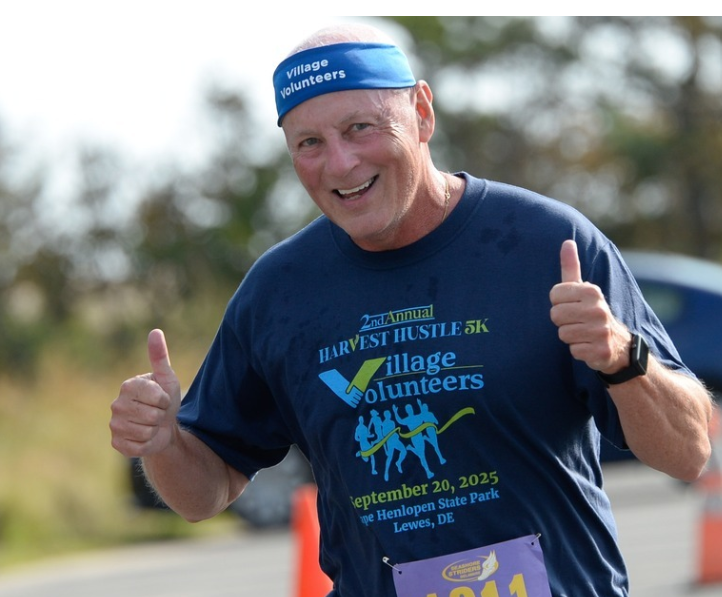
Of course, there are many more non-profits in the area looking for help that have to do with cultural, arts, educational health care concerns. One of those is an organization called Village Volunteers that depends on volunteers to help seniors stay healthy and in their homes as the age. Volunteer services include transportation services to doctor and other services, companionship, and other types of support.
By Mary Jo Tarallo, Resident Journalist
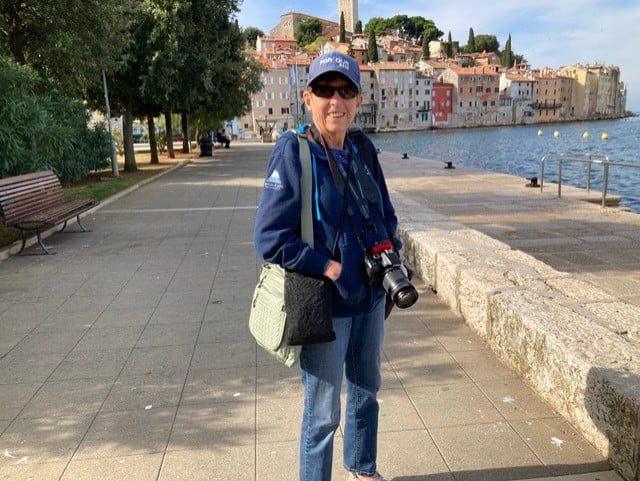
Mary Jo Tarallo spent much of her career in public relations with various non-profits and spent 40 years involved with the ski industry as a journalist, public relations director for a national trade association and as executive director of the Learn to Ski and Snowboard initiative. Prior to her ski industry involvement she worked for the Maryland International Center in Baltimore and United Way of Central Maryland. She won a Gold Award for TV programming for a United Way simulcast that starred Oprah Winfrey. She has been cited for her work by numerous organizations. Mary Jo grew up in Baltimore, attended the University of Maryland and Towson University, lived in Washington, DC for 21 years and has been a full time resident of Rehoboth Beach and Milton since May 2019.

 Skip to content