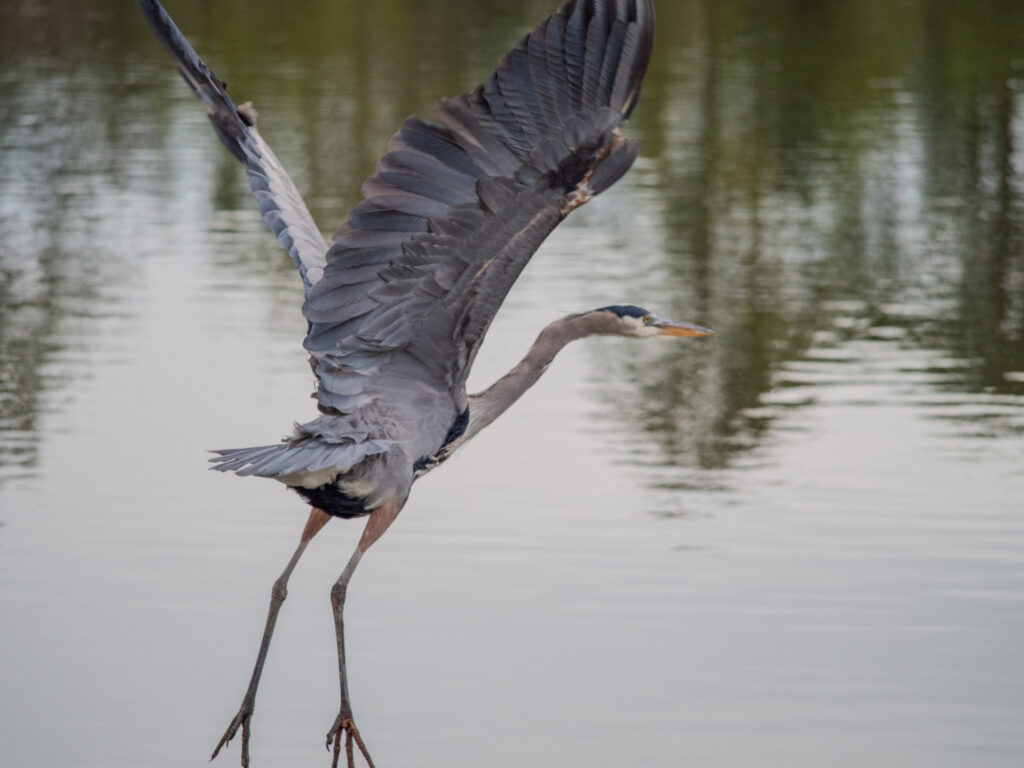
By our friends at Delaware Beaches Online
Delaware may be small, but its wild spaces are anything but ordinary.
From quiet marsh boardwalks and elevated observation towers to coastal refuges filled with waterfowl, shorebirds, turtles, crabs, and foxes, the First State offers some of the best wildlife-viewing opportunities on the East Coast. Many of these places are managed by the Delaware Department of Natural Resources and Environmental Control, or DNREC, and several are designed so visitors of different ages and abilities can enjoy the views. DNREC notes that most of the listed wildlife-viewing facilities offer access to all visitors and feature views of Delaware’s woods and wetlands. Unless otherwise noted, these locations require a Conservation Access Pass.
Whether you are birdwatching, taking the kids outside, planning a quiet walk, or looking for an accessible nature stop, these Delaware wildlife-viewing areas are worth adding to your list.
AUGUSTINE WILDLIFE AREA
Ashton Tract
The Ashton Tract in Augustine Wildlife Area is one of Delaware’s most accessible wildlife-viewing spots. It features a 700-foot wheelchair-accessible trail that leads to an observation deck overlooking the Thousand Acre Marsh.
What makes this stop especially nice is how easy it is to enjoy. Accessible parking and an ADA-compliant portable toilet are available near the trailhead kiosk, and benches are placed along the trail for resting.
This is a strong location for spotting:
- Wintering waterfowl
- Bald eagles
- Wading birds
- Migrating songbirds in spring and fall
It is a peaceful, low-effort stop with a big payoff.
Port Penn Tract
Also located in Augustine Wildlife Area, the Port Penn Tract offers a 550-foot wheelchair-accessible trail, including a 140-foot wetlands boardwalk, that leads to an accessible observation deck overlooking Lang Marsh.
This spot gives visitors a beautiful mix of wetland views and Delaware River scenery. Accessible parking is available near the trailhead kiosk, and benches can be found along the trail and on the observation deck.
Wildlife to look for includes:
- Gulls
- Herons
- Egrets
- Resident songbirds
This is a great place to slow down and watch the movement of the marsh.
WOODLAND BEACH WILDLIFE AREA
Saltmarsh Boardwalk and Trail
The Saltmarsh Boardwalk and Trail at the Aquatic Resources Education Center in Woodland Beach Wildlife Area is a half-mile accessible nature trail with a 940-foot elevated boardwalk loop. It offers views of coastal salt marsh and wildlife such as muskrats, herons, waterfowl, and fiddler crabs.
Accessible parking is available along Route 9 across from the Woodland Beach Check Station, and DNREC notes that a Conservation Access Pass is not required for this location. Benches are located on the boardwalk, making it a good choice for families, older visitors, and anyone who wants an easier nature walk.
Look for:
- Muskrats
- Herons
- Ducks and geese
- Fiddler crabs
- Marsh birds
Taylors Gut Observation Tower
The Taylors Gut Observation Tower is also located in the Woodland Beach Wildlife Area along Route 9. This older fire-tower-style structure provides elevated views of the salt marsh and Taylors Gut impoundment.
This site is not accessible for visitors with physical limitations, and parking is available in a small lot along Route 9.
Wildlife viewing highlights include:
- Nesting osprey in summer
- Wintering waterfowl
- Shorebirds in spring and fall
- Snow geese, especially in early spring
If you are comfortable climbing, this tower gives a wide, open look at one of Delaware’s classic marsh landscapes.
LITTLE CREEK WILDLIFE AREA
David Small Wildlife Viewing Boardwalk and Tower
The David Small Wildlife Viewing Boardwalk and Tower in Little Creek Wildlife Area includes a 400-foot elevated boardwalk and observation tower overlooking the Little Creek impoundment. DNREC notes that the boardwalk and first level of the tower, at 16 feet, are wheelchair accessible, while the second level, at 26 feet, is reached by a short set of steps.
Interpretive panels help visitors identify local wildlife and learn more about the surrounding resources. Accessible parking is available near the trailhead kiosk.
This is one of the best stops for:
- Migrating shorebirds
- Abundant waterfowl
- Marsh views
- Wildlife photography
It is especially helpful for visitors who want a more educational experience, not just a scenic one.
MISPILLION HARBOR RESERVE
DuPont Nature Center
The DuPont Nature Center at Mispillion Harbor Reserve is open seasonally, but its observation deck is open year-round. In spring, the deck offers views of thousands of horseshoe crabs coming ashore to spawn and shorebirds feeding on horseshoe crab eggs.
The deck is wheelchair-accessible and includes an ADA-compliant telescope for viewing the harbor. Accessible parking is available, and a Conservation Access Pass is not required. Benches and portable toilets are available when the center is not in operation.
This is one of Delaware’s most memorable wildlife stops, especially during spring migration.
Look for:
- Horseshoe crabs
- Shorebirds
- Gulls
- Eagles
- Marshbirds
If you only visit once, spring is the season to aim for.
ASSAWOMAN WILDLIFE AREA
Assawoman Tower
The Assawoman Tower is a fire-tower-style structure standing nearly 40 feet tall, with views of Mulberry Pond and Sixty-five Acre Pond in Assawoman Wildlife Area.
Parking is limited to two or three vehicles, and the structure is not accessible to visitors with physical disabilities. However, for those who can climb it, the tower offers a wide view over one of southern Delaware’s strong winter waterfowl areas.
Best wildlife viewing:
- Wintering ducks
- Geese
- Other waterfowl
This is a great stop near the Bethany Beach and Fenwick Island area for visitors who want to explore beyond the beach.
PRIME HOOK NATIONAL WILDLIFE REFUGE VISITOR CENTER
Prime Hook National Wildlife Refuge in Milton is one of Delaware’s most important wildlife destinations. The U.S. Fish and Wildlife Service says the refuge protects more than 10,000 acres along the marshes of western Delaware Bay, with roughly 80% of the refuge made up of fresh and saltwater wetlands stretching from Slaughter Beach to the Broadkill River.
The refuge is open for wildlife-focused recreation such as birdwatching, nature walks, photography, canoeing, kayaking, and fishing. The Visitor Center is open daily year-round from 9:00 a.m. to 4:00 p.m., and admission is free, with donations accepted.
Prime Hook is especially popular for:
- Wildlife viewing
- Birdwatching
- Accessible trails
- Canoeing and kayaking
- Fishing
- Wetland habitat exploration
- Nature photography
- Educational exhibits
The Friends of Prime Hook note that the refuge includes a sample of 308 bird species, 51 fish species, 45 reptile and amphibian species, and 37 mammal species.
Animals You May See at Prime Hook
Prime Hook is best known for birds, but the wildlife here goes far beyond waterfowl and shorebirds.
Featured species listed by the U.S. Fish and Wildlife Service include:
- Rufa red knot
- Snow goose
- Least tern
- Atlantic horseshoe crab
- Delmarva Peninsula fox squirrel
The Friends of Prime Hook also highlight several mammals found on the refuge, including white-tailed deer, muskrat, river otter, cottontail rabbit, gray squirrel, and red fox.
Reptiles and amphibians listed by Friends of Prime Hook include northern water snake, black rat snake, eastern ribbon snake, green frog, eastern garter snake, southern leopard frog, American bullfrog, black racer, Fowler’s toad, eastern mud turtle, eastern musk turtle, eastern painted turtle, northern red-bellied cooter, spotted turtle, common snapping turtle, eastern box turtle, five-lined skink, and eastern hognose.
Other wildlife examples include monarch butterflies, bumble bees, yellow garden spiders, red-banded hairstreaks, horseshoe crabs, snowberry clearwing moths, six-spotted fishing spiders, hibiscus turret bees, and banded sphinx moth caterpillars.
That mix of birds, mammals, reptiles, amphibians, insects, and marsh life is what makes Prime Hook such a rewarding stop. You may go looking for birds and end up watching a turtle, a fox, a crab, or a butterfly instead.
BEACH TOWN WILDLIFE WORTH WATCHING
Delaware’s wildlife is not limited to wildlife areas and refuges. Many beach towns offer everyday opportunities to spot coastal animals.
Bethany Beach: Waterfowl and Protected Wetlands
Near Bethany Beach, the Assawoman Bay State Wildlife Area gives visitors a chance to see ducks, geese, bald eagles, pileated woodpeckers, and other wildlife. This is a great family-friendly nature stop, especially for visitors who want a self-guided outdoor experience close to the beach.
Dewey Beach: Crabs and Bay Life
Dewey Beach is a fun place to look for crabs, including horseshoe crabs and smaller crabs along the shoreline. Families may also enjoy bayfront educational programs when available, especially those focused on local marine life.
Fenwick Island: Clams, Birds, and Coastal Habitat
Fenwick Island State Park offers opportunities for clamming, birding, swimming, sailing, and windsurfing. Wildlife watchers may spot loons, terns, herons, and protected piping plovers in the area.
Lewes: Salt Marsh Birds at Gordons Pond
Gordons Pond near Lewes is a standout spot for birders and casual walkers. The area includes coastal salt marsh habitat, a paved biking and walking trail, and overlook views where visitors can watch birds and enjoy the lagoon scenery.
Rehoboth Beach: Silver Lake State Bird Refuge
Silver Lake State Bird Refuge in Rehoboth Beach is a convenient place to enjoy birdwatching close to town. Visitors can walk or bike near the lake, watch birds from the dock and gazebo area, or enjoy the quiet water views.
TIPS FOR WILDLIFE VIEWING
A little planning makes wildlife viewing much better.
- Bring binoculars if you have them.
- Visit early in the morning or closer to sunset for more wildlife activity.
- Stay quiet near observation decks and boardwalks.
- Keep a respectful distance from animals.
- Do not feed wildlife.
- Check whether a Conservation Access Pass is required before you go.
- Wear comfortable shoes, even for short trails.
- Bring sun protection and bug spray during warmer months.
- Check seasonal hours, closures, and trail conditions before visiting.
Delaware’s wildlife-viewing areas prove that you do not need to travel far to feel completely surrounded by nature.
You can stand above a marsh and watch snow geese lift into the sky. You can walk a quiet boardwalk while fiddler crabs move through the mud below. You can visit Prime Hook and see how birds, foxes, frogs, turtles, insects, and horseshoe crabs all fit into one living coastal landscape.
That is the beauty of Delaware outdoors. It is close, accessible, and full of life if you know where to look.

By Delaware Beaches Online.
Delaware Beaches Online, you guys are great! We appreciate the chance to share your articles with our audience.
To find more great deals, activities and great articles visit their site to learn more: DelawareBeachesOnline
 Skip to content