My community, like so many in SoDel is billed as a 55+ Active Lifestyle development. We are independent. We compete in pickleball. We swim, walk the dog, golf and garden when we are not traveling, volunteering or hosting visitors.
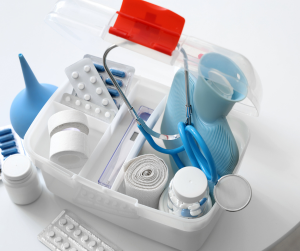
Despite my neighborhood’s healthy amenities and athletic residents, we seem to have a revolving Disabled List that could rival the MLB’s. From our shoulders to our toes, we discover our parts sometimes need repairs like appliances.
That is when the neighborhood medical equipment exchange quietly springs into action. It’s like a lending library, and I write this as a “cardholder.” I have both lent and unexpectedly borrowed a few.
Word quickly spreads about someone’s procedure or recovery from an illness or injury. An army of helpers is mustered promptly. Beyond the usual food brigade, there’s also one for equipment.
Somehow someone knows where the crutches are, who has the walker with the tennis balls on the bottom, and which garage currently houses the knee scooter. If you mention an upcoming procedure while retrieving mail, well-wishers offer advice and unsolicited horror stories about someone they know, and someone will recommend a certain solution they found, including for sleep.
Which is how I recently ended up with the neighborhood’s famous traveling recliner following shoulder surgery. It will never be lauded for its unapologetic style, but boy, has it helped a handful of neighbors recover comfortably since its unassuming origin. Sleep is more important than interior decorating, at least temporarily.
A friend found it free on Facebook Marketplace and refurbished it for her husband’s post-surgical sleep about a year ago. It has “graced” three neighbors’ homes nonstop ever since. The most previous borrower gleefully had her husband help mine deliver it to my house. (Now I know why.)
The neighborhood has circulated ice and compression machines, shower chairs, “jazzies,” walking boots, crutches and more. When I borrowed a knee scooter a couple years ago, another friend waited patiently for it until it was her turn.
The benefits of exchanging gently used equipment are obvious. Borrowing saves untold amounts of money. Many recovery items are needed for only a few days or weeks, which making purchasing feel wasteful.
Exchanging saves time. It beats online shipping or insurance approval paperwork. (Insurance plans often do not cover the cost of equipment anyway.) It also saves precious real estate in your garage or basement.
The math can be surprisingly persuasive. A basic knee scooter might cost roughly $150 to $250 to buy, while some rental programs advertise weekly rates from about $30 to $55. Cold or compression therapy machines can be even more dramatic: professional-grade systems may rent for several hundred dollars for a short recovery period, while even portable units average about $180 to purchase.
Lift recliners can rent for about $175 to $235 per month, when it may only be necessary to use for a few weeks. Even less sophisticated items add up. Crutches and standard walkers may be relatively inexpensive to buy, but if a neighbor already has a clean, sturdy pair, borrowing still beats adding to the household collection of “things we may need someday.” My crutches are somewhere close by, but I am not missing them.
There are cautions, of course, such as checking with your physician or physical therapist whether borrowed an apparatus is appropriate for your situation.
Active retirement sometimes comes with ice packs and ugly recliners. And if you are fortunate to live in a retirement community or with extended family, it is worth asking around for a temporary orthopedic or other medical device.
Borrowing a knee scooter is not a sign of decline. It is simply another way neighbors take care of neighbors.
By Bridget FitzPatrick, Resident Journalist

 Skip to content