On Saturday, September 26, the Southern Delaware chapter of Alzheimer’s Association will conduct its annual Walk to End Alzheimer’s at 9 am, starting at 9 am in Grove Park, Rehoboth Beach. The walk raises money and important awareness about the profound impact Alzheimer’s has on millions of American families.
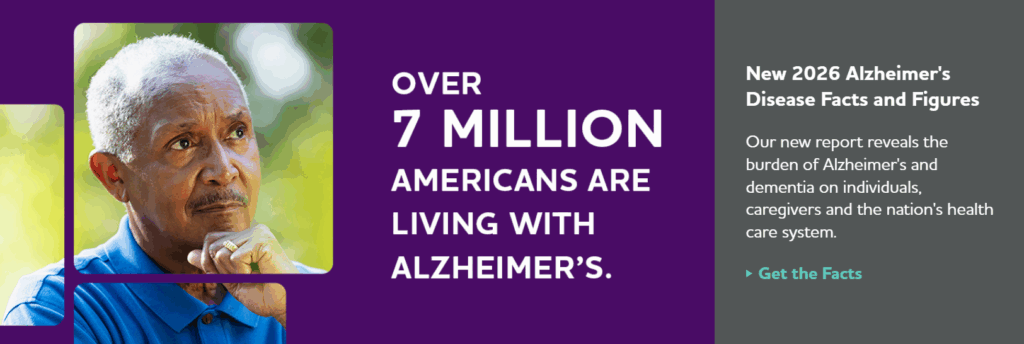
Alzheimer’s disease or other forms of dementia are estimated to currently afflict 7.4 million people over the age of 65 in our country, or one in three older adults.
That number is rising sharpy every year. The CDC reports that Alzheimer’s alone is a leading cause of death, underscoring its impact not only on memory and independence but also on public health, caregiving, and health care costs.
What Is Driving the Increase?
The most important reason Alzheimer’s is becoming more prevalent is more people are living into older age, when the risk of dementia rises. However, aging alone does not explain the full picture. Several conditions affect risk, such as high blood pressure, diabetes, smoking, physical inactivity, untreated hearing loss, poor sleep, and social isolation.
Why Aging Adults, Even in Good Health Should Pay Attention Now
Brain changes related to Alzheimer’s can begin many years before noticeable memory problems. Adults 50 and older have an important window for prevention and early detection. Research from the National Institute on Aging points to promising strategies for planning for risks, particularly by managing blood pressure, staying physically active, and keeping the brain engaged.
Here are some of the warning signs the Alzheimer’s Association and other health entities encourage noticing – in yourself and in others close to you.
· Memory changes that disrupt daily life, such as repeatedly forgetting appointments, conversations, or important dates.
· Difficulty planning, solving problems, managing bills, or completing familiar tasks.
· Confusion about time or place, including getting lost in familiar areas.
· Trouble finding words during conversations, or repeating the same questions.
· Changes in judgment, decision-making, or the ability to manage medications, finances, or driving safely.
· Withdrawal from work, hobbies, social activities.
It is important to note that not every memory lapse means Alzheimer’s disease. Stress, depression, sleep problems, certain medications and hearing loss can also affect thinking. The key is to raise concerns early so treatable causes can be addressed and, when needed, evaluation can begin.
Practical Steps to Take
· Make brain health part of routine medical care
At annual checkups, ask about your assessments such as blood work, blood pressure, sleep quality and depression screening. Discuss any concerns about hearing, vision, medications, and family history.
· Protect the heart to protect the brain
High blood pressure, diabetes, smoking, and inactivity can damage blood vessels, including those that supply the brain. Work with a clinician to manage a treatment plan to improve your overall healthy lifestyle.
· Move regularly
The CDC recommends that adults aim for about 150 minutes of physical activity each week. Brisk walking, swimming, cycling, strength training, balance exercises, gardening, and dancing can all support cardiovascular health and may help reduce dementia risk.
· Monitor hearing, sleep, and mood
Untreated hearing loss can reduce social engagement and place extra strain on thinking and memory. Poor sleep and untreated depression can also affect concentration and memory. Adults over 55 should consider hearing checks, discuss sleep problems such as insomnia or possible sleep apnea, and seek help for persistent sadness, anxiety, or loss of interest.
· Stay mentally and socially engaged
Cognitive resilience can be maintained through physical activity and social engagement. Consider volunteering, joining club, learning a language or instrument, read regularly, and schedule consistent time with friends and family.
· Plan ahead before a crisis
Talk honestly with trusted loved ones about health care preferences, legal documents, finances, transportation, living arrangements, and long-term care options. Planning does not mean expecting Alzheimer’s; it means protecting independence and reducing stress if health needs change.
A medical evaluation is appropriate when memory, attention, language, problem-solving, or judgment changes interfere with work, relationships and achieving daily routines. driving, finances, medication management, or daily routines. Early evaluation can identify reversible causes establish a baseline for any measurable changes.
Alzheimer’s is becoming more prevalent as people are living longer. Rather than fret about your chances of being affected by it or any other form of dementia, take a proactive approach to your health and that of your loved ones. Seek medical evaluation in advance of problematic or chronic signs of impaired cognitive abilities.
Chances are, you and your family have been personally touched by Alzheimer’s Disease. Why not walk in their honor?
To learn more and support local efforts to research and conquer Alzheimer’s, consider participation in the September 26 walk. What a healthy way to help others who struggle with the disease, and help support the families and caregivers!
For more information:
2026 Southern Delaware Walk to End Alzheimer’s 2026 Registration
National Institute on Aging Fact Sheet
Alzheimers.gov Info and Registry
By By Bridget FitzPatrick, Resident Journalist

 Skip to content